
Getting a suspended or revoked driver license back in Washington depends on the reason you lost it. A DUI, repeated moving violations, an unresolved traffic citation and canceled SR-22 coverage all follow different rules.
The first step is finding the exact suspension on your driving record. The Washington State Department of Licensing lists the current suspension categories and the requirements attached to each one. Some drivers need only to resolve a court issue and pay a reissue fee. Others need SR-22 coverage, a safe driving course, an ignition interlock device or an alcohol and drug assessment.
Start With the Reason Your License Was Suspended
Do not start by paying random fees or enrolling in a driving course. Washington DOL applies different reinstatement conditions to different suspensions, and completing an unrelated course will not clear the license.
| Reason for Suspension | Common 2026 Requirement | Restricted License |
|---|---|---|
| Repeated moving violations | Safe driving course and any required financial responsibility | ORL may be available |
| DUI | Alcohol assessment, applicable treatment, IID and financial responsibility | IIL may be available |
| Unresolved moving citation | Resolve the citation with the court | ORL may be available |
| Reckless driving | Suspension period, SR-22 and reissue requirements | ORL may be available |
| Canceled required insurance | Insurance company must restore compliance | No |
| Habitual Traffic Offender | Separate HTO hearing and reinstatement rules | Generally no ORL |
Repeated Moving Violations Have New Rules in 2026
Washington changed its rules for accumulated moving violations on April 1, 2026. Under RCW 46.20.2892, DOL suspends a license for 60 days after moving violations on three separate occasions within one year or four separate occasions within two years.
Multiple tickets from the same traffic stop count as one occasion. After the suspension, the driver enters a one-year probation period. Another qualifying moving violation during probation brings an additional 30-day suspension.
The 2026 change also creates an important early reinstatement route. A driver can complete the required safe driving course after receiving notice of the pending suspension. DOL can terminate the suspension before the full 60 days have passed once it receives proof of completion and the remaining licensing requirements are satisfied. Early termination under this rule is available only once every five years.
DOL publishes its current list of approved safe driving courses. The list includes online, virtual and in-person options.
A DUI Creates a Separate License Process
A Washington DUI case can affect driving privileges through both DOL administrative action and the criminal court. Winning a DOL hearing does not prevent a later license suspension resulting from a DUI conviction.
A driver who wants to contest the administrative suspension has a short deadline. The DUI hearing request must be submitted within seven days of the arrest or notice. The current hearing fee is $375, although DOL provides a fee-waiver process for qualifying low-income applicants.
For a first qualifying administrative DUI incident, RCW 46.20.3101 provides a 90-day suspension when the applicable alcohol or THC threshold is reached. Refusing the required test can produce a one-year revocation for a first refusal. Prior incidents can result in longer periods.
Commercial drivers face separate consequences. Our guide to DUI and CDL consequences covers the additional problems a professional driver can face after an impaired-driving case.
An Ignition Interlock License Can Keep Some DUI Drivers on the Road
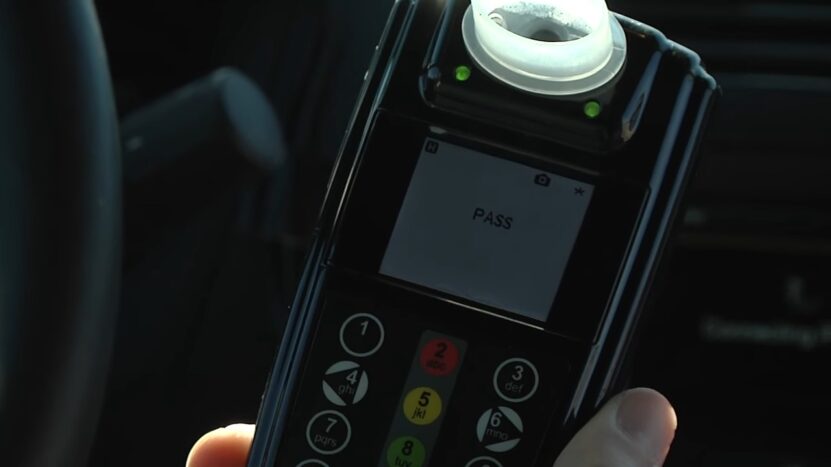
An Ignition Interlock Driver License allows an eligible person to drive during a drug or alcohol-related suspension or revocation. A driver can apply for an IIL immediately after receiving the relevant notice or after the suspension has started.
The usual process requires installation of a Washington-approved ignition interlock device, proof of financial responsibility such as an SR-22 and a restricted-license application. The IIL application fee is currently $100.
Washington DOL also requires an Alcohol/Drug Assessment/Treatment Report after qualifying drug or alcohol convictions. The assessment must come from a Washington-certified agency.

The older version of this article referred to ADETS as a Washington reinstatement program. ADETS belongs to North Carolina and should not be used as a Washington licensing requirement. Washington instead relies on its own certified alcohol and drug assessment and treatment system.
People looking for assessment or treatment services can also use the Washington Recovery Help Line resources. The state Health Care Authority lists 1-866-789-1511 as the 24-hour number for treatment and recovery referrals.
Low-Income Drivers Can Apply for Interlock Assistance
Ignition interlock costs are substantial. A 2026 Washington JLARC review estimated a typical annual device cost of about $2,700. Insurance, fines and related expenses can push the total financial burden considerably higher.
DOL has a financial assistance program for qualifying low-income drivers. Current assistance can offset parts of installation, leasing, removal and transfer costs. Eligibility includes certain public-benefit recipients and qualifying low-income households.
The same JLARC review found that only 41% of drivers required to install an IID actually had one installed. Installation was much lower among people with the lowest incomes, showing why the assistance program has a direct effect on access to legal driving.
An Occupational Restricted License Covers Some Non-DUI Suspensions
A driver who does not qualify for an IIL may qualify for an Occupational Restricted Driver License. An ORL can authorize driving for work, school, court-ordered community service, treatment, medical care and care of a dependent person.
The application fee is $100. Applicants also need proof of financial responsibility. DOL can restrict the hours, days, geographic area and vehicles covered by the license.
An ORL is not available for every suspension. DOL specifically excludes several categories, including DUI, Habitual Traffic Offender status, child-support suspensions, medical or vision suspensions and canceled required financial responsibility.
SR-22 Coverage Is Required in Many Reinstatement Cases
An SR-22 is not a special type of insurance policy. It is proof that the driver meets Washington’s future financial responsibility requirement.
DOL states that SR-22 proof is generally required for three years from the date a driver becomes eligible for reinstatement in cases where financial responsibility applies.
Washington also recognizes a certificate of deposit of at least $60,000 or an eligible liability bond of at least $60,000 as alternatives. Most drivers satisfy the requirement through an insurer filing an SR-22.
Unpaid Traffic Fines No Longer Work the Way They Did Before 2023
Washington no longer suspends a driver license solely because a person failed to pay a non-criminal traffic fine. An unpaid speeding ticket by itself therefore does not create the same suspension rule that existed years ago.
Ignoring the court still creates a serious problem. Under RCW 46.20.289, DOL can suspend driving privileges after receiving notice that a person failed to respond to a moving-violation citation, failed to appear at the required hearing or failed to comply with a criminal traffic citation.
The current DOL category is called an Unresolved Traffic Citation. The suspension remains until the citation is resolved with the court.
A missed court date can create consequences outside the licensing process as well. Our explanation of bench warrants covers what can happen when a required court appearance is missed.
Washington Law Help Covers Old Fines and Relicensing Programs
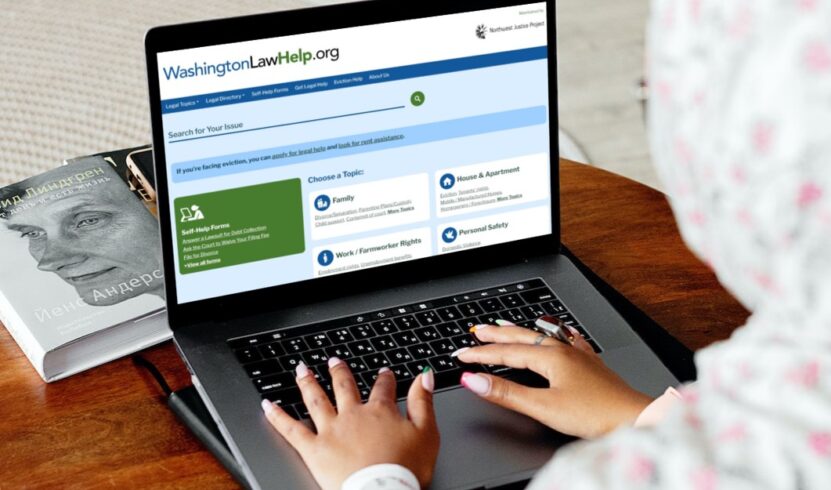
Washington Law Help, maintained by the Northwest Justice Project, has current guidance for people whose licenses are tied to unpaid criminal traffic fines or older court debt.
Local relicensing programs can help address eligible criminal traffic fines, collections and court requirements. Availability depends on the county and the type of case. Drivers with old non-criminal traffic debt can also find information about payment plans and community service through Washington Law Help.
Reissue Fees Depend on the Suspension
Washington does not charge one universal reinstatement fee. The current DOL fee schedule lists a $75 reissue fee for a non-alcohol suspension and $170 for an alcohol-related suspension. Other licensing, testing, IID and insurance costs can apply separately.
The same fee schedule lists $100 for an ORL or IIL application. A DUI administrative hearing costs $375 unless a qualifying fee waiver applies.
Not Every Driving Course Helps Reinstate a License
A generic defensive-driving class does not automatically satisfy DOL reinstatement requirements. Drivers suspended for accumulated moving violations need a course from the current DOL-approved list.
Organizations involved in traffic education can still provide useful training, but the course has to meet the requirement attached to the driver’s suspension. Enrollment should follow the DOL notice rather than a general assumption that any defensive-driving certificate will clear the license.
Some Suspensions Cannot Be Bypassed With a Restricted License
Restricted licenses are useful, but they do not create a route around every revocation. A person with a canceled required insurance filing, certain medical or vision suspensions, an HTO revocation or another excluded status can remain ineligible.
A Habitual Traffic Offender has a separate procedure. DOL defines HTO status around specified serious offenses or a high number of moving violations within five years. Eligible drivers can request a stay or reinstatement hearing under defined conditions, but an ordinary ORL does not replace that process.
Driving before the license is legally restored can also create a new criminal case and extend the problem. Reinstatement should be confirmed through DOL before driving resumes.
The Fastest Route Depends on the Suspension Code
A driver with accumulated moving violations in 2026 may regain full privileges early by completing the approved safe driving course. A DUI driver may need an IIL, an ignition interlock device, SR-22 coverage and an assessment. Someone with an unresolved citation needs to deal with the court that reported the citation. Another driver may simply have to complete the suspension period and satisfy the reissue requirements.
The useful starting point is the DOL record, followed by the rule for that exact suspension. Washington now provides several real routes back to legal driving, but none of them replaces the conditions attached to the individual case.